Best Neighborhoods in Missoula for Families & Professionals
By Ashley Inglis, Real Estate Advisor & Broker, MT Lux Real Estate Missoula isn’t just another college town in the northern Rockies. It’s the cultural and economic center of wester
By Ashley Inglis, Real Estate Advisor & Broker, MT Lux Real Estate
Missoula isn’t just another college town in the northern Rockies. It’s the cultural and economic center of western Montana — a place where professionals build real careers, families put down permanent roots, and the outdoor lifestyle isn’t a weekend hobby but a daily reality.
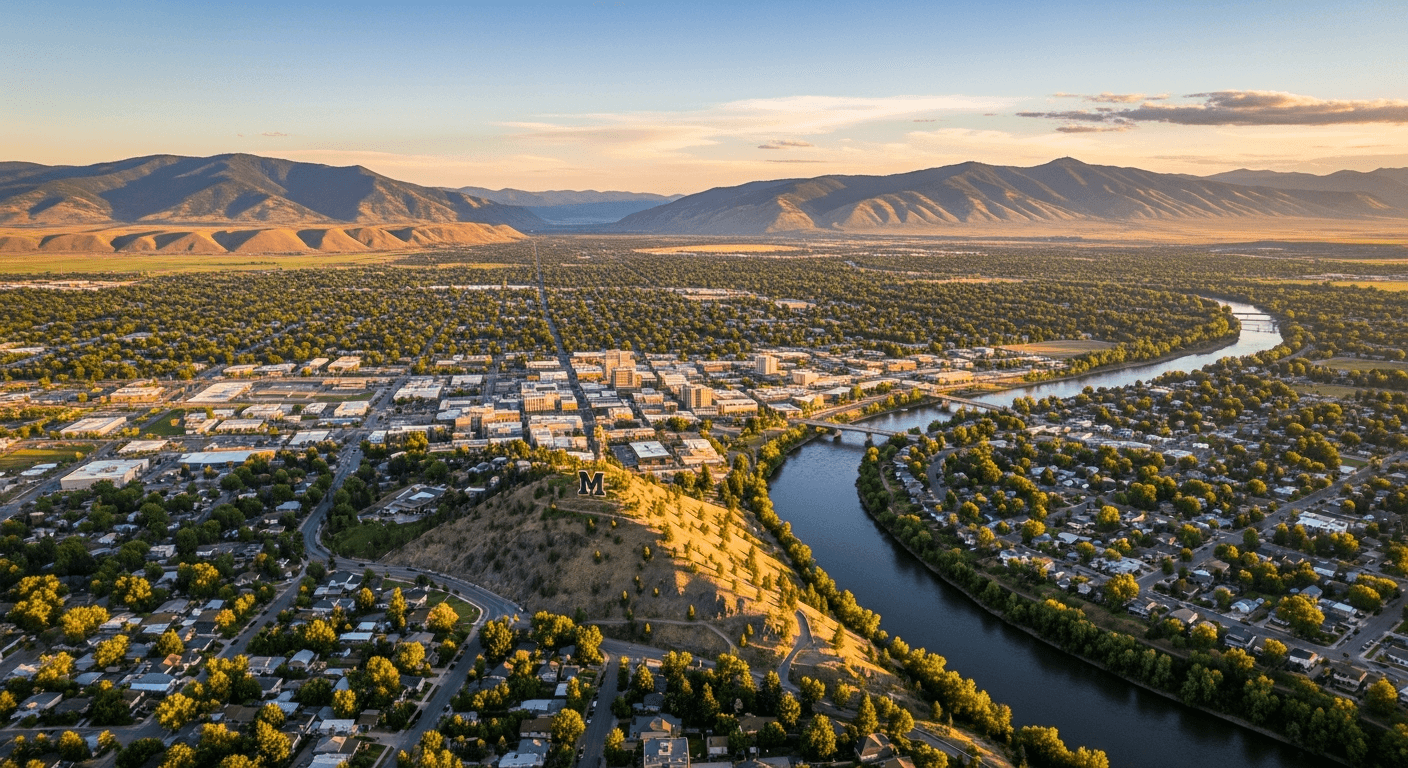
Known as the “Garden City” for the five valleys that converge here, Missoula sits at the confluence of three rivers, surrounded by wilderness in every direction, and anchored by the University of Montana. It’s a city of roughly 80,000 that punches well above its weight in quality of life. If you’re considering a move, here’s what you need to know about the neighborhoods that define it.
Why Missoula Keeps Drawing People In
The short answer: it offers what most western cities can’t anymore — affordability relative to comparable mountain towns, a genuinely walkable downtown, world-class outdoor access, and a job market that’s diversified beyond tourism and timber.
The University of Montana employs thousands and drives a steady demand for housing. The healthcare sector — anchored by Providence St. Patrick Hospital and Community Medical Center — is the region’s largest employer. Tech and remote work have added another layer, with professionals relocating from higher-cost markets in Boise, Denver, and the Pacific Northwest.
Median home prices in Missoula currently sit in the $475,000–$550,000 range, depending on the neighborhood. That’s a fraction of what you’d pay in Whitefish, Bozeman, or any comparable western Montana market — and it’s why inventory moves quickly when it’s priced right.
The Top Neighborhoods for Families & Professionals
South Hills
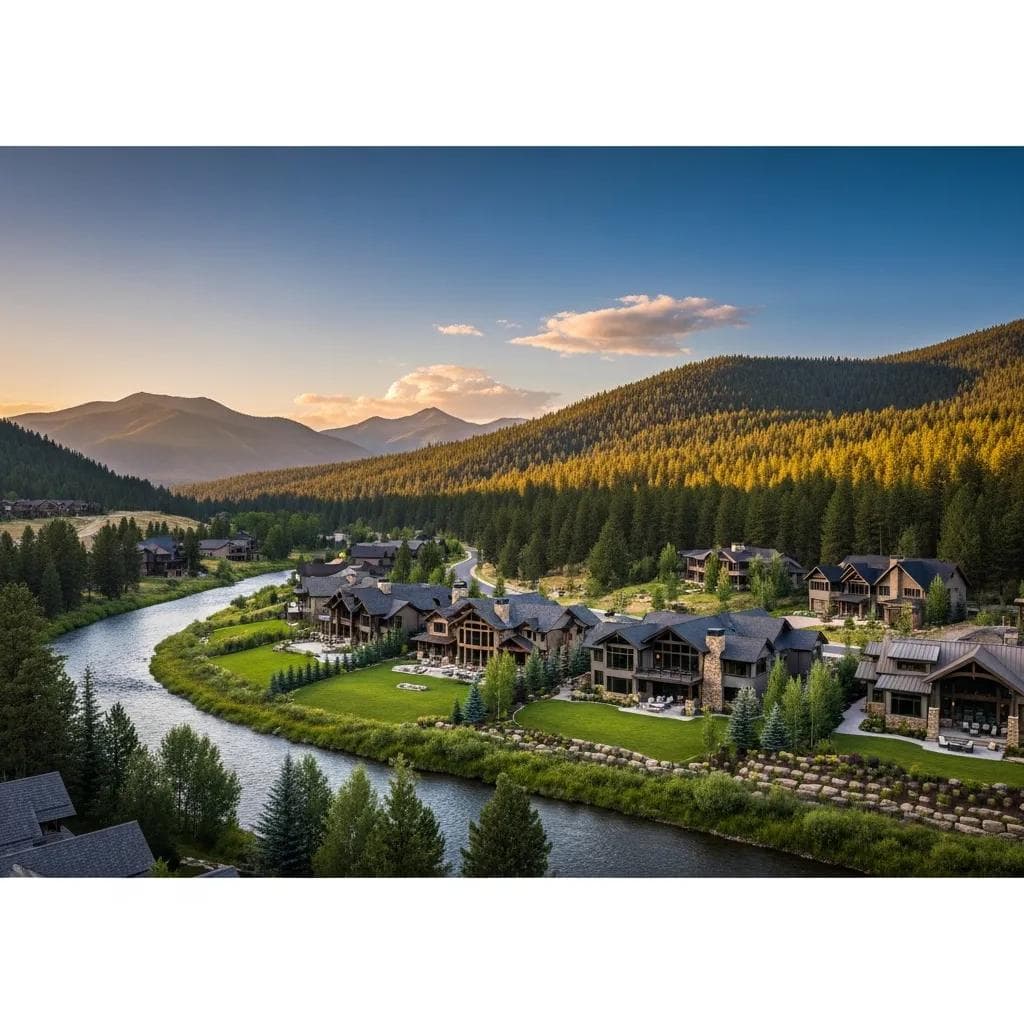
The most established upscale neighborhood in Missoula. South Hills climbs into the foothills south of downtown, offering panoramic views of the valley, mature landscaping, and some of the largest lots in the city. Homes here range from $550,000 to $1.2M+, with custom builds and mid-century properties mixed throughout.
The appeal is straightforward: proximity to downtown (10 minutes), excellent access to trail systems including the South Hills Trail Network, and a quiet, residential feel that families gravitate toward. If you want space, views, and an established community, South Hills is where you start looking.
Rattlesnake
Ask any local where they’d live if money weren’t a factor, and Rattlesnake comes up more than any other neighborhood. Tucked into a narrow valley north of downtown, the Rattlesnake runs along Rattlesnake Creek with direct access to the Rattlesnake Wilderness Area — 61,000 acres of protected backcountry right from your back door.
Homes range from $450,000 to $900,000+, with older bungalows closer to town and newer custom homes deeper into the valley. The neighborhood is walkable and bikeable to downtown, and it has a strong community identity. For outdoor-oriented professionals and active families, there’s nothing else like it in the city.
University District
The U District surrounds the University of Montana campus and is defined by its tree-lined streets, historic homes, and walkability. This is where you’ll find Craftsman bungalows, brick Tudors, and mid-century ranches — many dating to the early 1900s — priced between $400,000 and $700,000.
It’s the most urban neighborhood in Missoula. You can walk to campus, the river, Caras Park, and the Hip Strip commercial corridor without getting in a car. For professors, healthcare professionals, and young families who prioritize walkability and character over square footage, the University District delivers.
Lower Miller Creek
The family neighborhood in Missoula — and that’s not a knock. Lower Miller Creek is where newer construction meets practical living: well-planned subdivisions, modern floor plans, good school proximity, and easy access to the Bitterroot corridor via Highway 93.
Prices run $425,000 to $650,000, making it one of the most accessible neighborhoods for families buying their first or second home. The area has grown significantly in the last decade, with new retail and services following the residential development. It’s not glamorous, but it works — and families keep choosing it for a reason.
Grant Creek
Located northwest of downtown along the I-90 corridor, Grant Creek offers a balance of convenience and natural setting. The neighborhood backs up against national forest land, with trail access from many properties, while still being a short commute to downtown and the airport.
Home prices range from $475,000 to $800,000+, with a mix of established homes and newer development. Grant Creek tends to attract professionals who want a slightly more rural feel without sacrificing access to Missoula’s amenities. The area also benefits from proximity to Snowbowl Ski Area, which sits just up the road.
Target Range
West of the city center, Target Range is a semi-rural area that appeals to buyers looking for larger lots, horse property, and a quieter pace of life — all within 15 minutes of downtown. Homes here sit on half-acre to multi-acre parcels, priced from $450,000 to $850,000+.
Target Range gives you the open-space feel of living outside town while remaining firmly within Missoula’s orbit. It’s popular with families who want room to spread out and professionals who work remotely and don’t need to be downtown daily.
Lolo
Technically its own community just south of Missoula, Lolo functions as a Missoula neighborhood for all practical purposes. Sitting at the base of Lolo Pass and the gateway to the Bitterroot Valley, Lolo offers more land and lower prices — $375,000 to $600,000 for most homes — with a 15-to-20-minute commute into the city.
Lolo is where you go when you want acreage, newer construction, and mountain access without Missoula’s price tag. The trade-off is fewer walkable amenities, but for families and outdoors-focused professionals, the value proposition is hard to beat.
Schools That Families Actually Care About
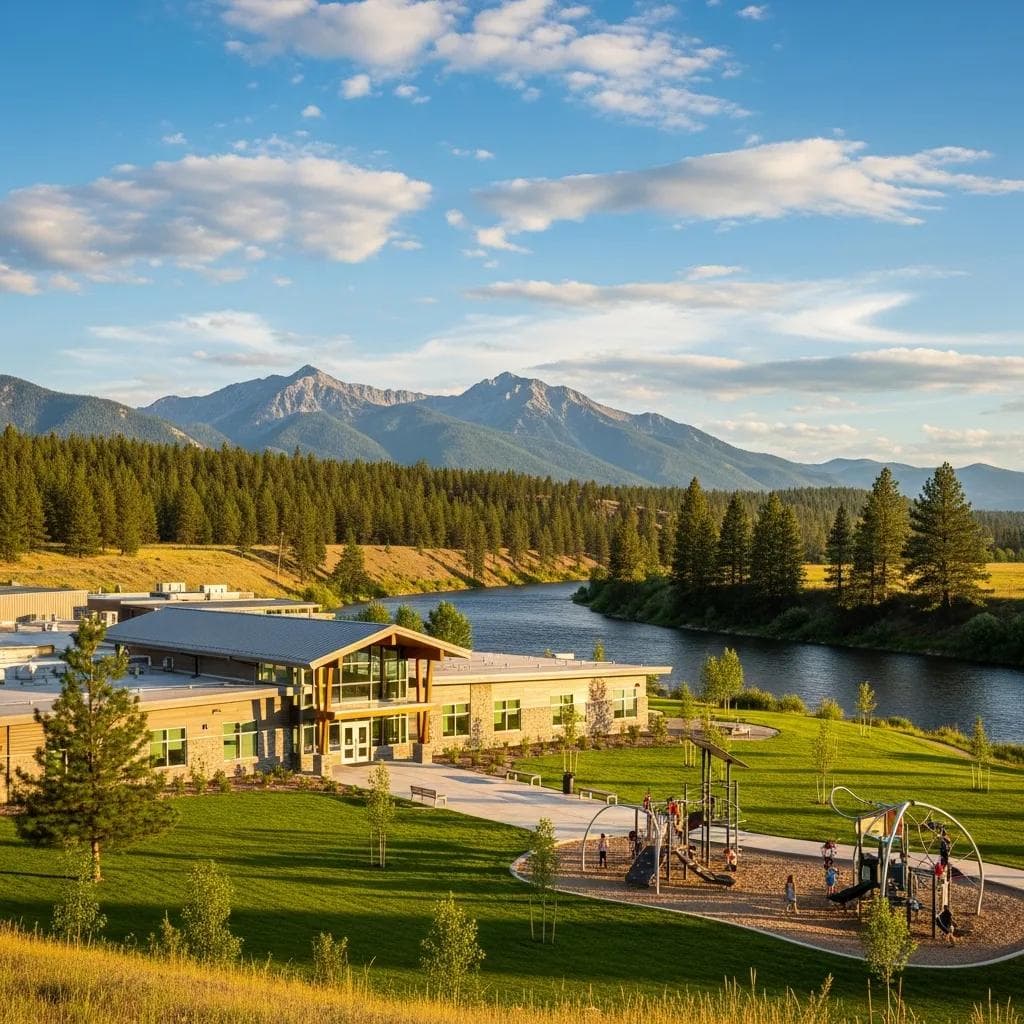
Missoula County Public Schools serves the area with a solid reputation. Key schools that drive real estate decisions:
- Sentinel High School and Hellgate High School — the two main public high schools, both well-regarded academically and athletically
- Big Sky High School — serves the south and west side, strong programs in career and technical education
- Paxson Elementary and Lewis & Clark Elementary — among the most sought-after elementary schools, both in central Missoula
- Sussex School — a private K-8 option with a project-based learning model that attracts families from across the valley
- Loyola Sacred Heart — private Catholic school offering K-12, known for small class sizes and strong academics
School district boundaries vary by neighborhood, and specific attendance zones matter when you’re buying. This is something to confirm with your agent before making an offer — not after.
Outdoor Recreation: The Real Reason People Move Here
Missoula’s outdoor access isn’t aspirational — it’s immediate:
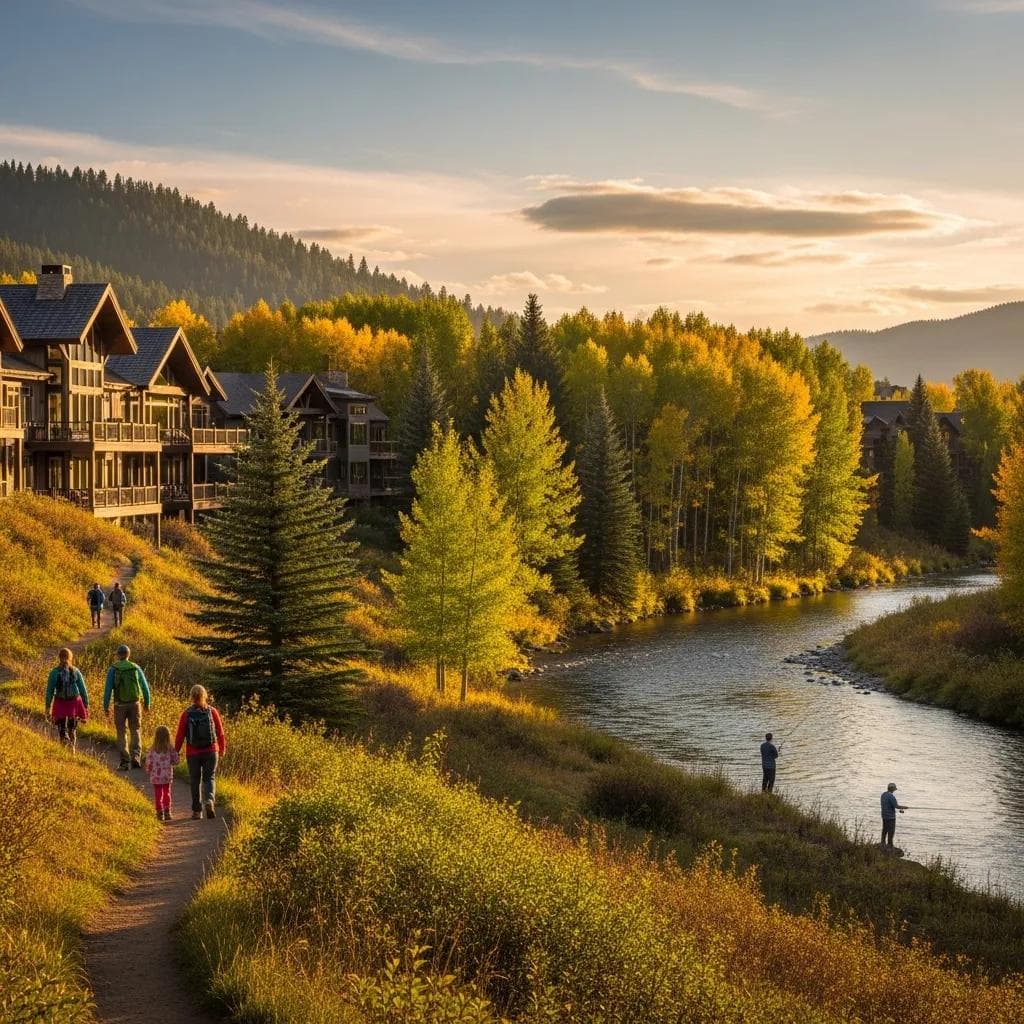
- Clark Fork River runs directly through downtown, with fishing access, floating, and riverside trails from Caras Park east through the Hellgate Canyon corridor.
- Rattlesnake Wilderness offers 61,000 acres of hiking, trail running, and backcountry exploration accessible from the north side of the city.
- Mount Sentinel and the “M” Trail — the iconic hillside trail visible from anywhere in the valley. Locals hike it year-round.
- Blue Mountain Recreation Area — south of town, popular for mountain biking, cross-country skiing, and trail running.
- Snowbowl Ski Area — 20 minutes from downtown via Grant Creek Road. No-frills, local skiing with 2,600 feet of vertical — no lift lines, no resort prices.
- Pattee Canyon — an east-side trail system for hiking, Nordic skiing, and mountain biking, minutes from the University District.
- The Bitterroot River and Rock Creek — two of Montana’s premier fly-fishing destinations, both within a 30-minute drive.
This is a city where people commute by bike, run trails at lunch, and fish after work. The outdoor lifestyle isn’t a marketing line — it’s the infrastructure of daily life.
Downtown Missoula: Culture, Dining & Community
Missoula’s downtown punches far above its weight for a city this size:
- Caras Park and the Carousel anchor the riverfront, hosting the Saturday Farmer’s Market (one of the best in the Northwest), concerts, and community events year-round.
- The Hip Strip — Missoula’s most eclectic commercial corridor, running along South Higgins Avenue with independent shops, restaurants, and cafes.
- Brewery scene — Missoula has more breweries per capita than almost any city in Montana. KettleHouse, Draught Works, Imagine Nation, Bayern, and Big Sky Brewing are the anchors, and each has a distinct personality.
- Dining ranges from elevated Montana cuisine at Scotty’s Table and The Pearl Cafe to the no-pretense perfection of Biga Pizza and The Notorious P.I.G. food truck.
- Cultural institutions — the Wilma Theatre, Roxy Theater, Montana Repertory Theatre, and the Missoula Art Museum keep the calendar full. The University of Montana Grizzlies football and basketball games are community-wide events that define the fall and winter social calendar.
Missoula’s downtown is walkable, independent, and genuinely interesting — not a manufactured “Main Street” experience. That’s a major factor for professionals and families who want culture within reach.
Market Trends & Growth
Missoula’s real estate market has seen steady appreciation over the past several years, driven by in-migration from higher-cost western markets, limited buildable land within the valley, and a strong local economy.
Key trends worth noting:
- Inventory remains tight — new construction hasn’t kept pace with demand, particularly in established neighborhoods like Rattlesnake and South Hills.
- Days on market are low — well-priced homes in desirable neighborhoods move within weeks, not months.
- Remote work migration continues — professionals relocating from Seattle, Portland, Boise, and Denver find Missoula’s quality of life and relative affordability compelling.
- Rental demand is strong — the university and healthcare sectors ensure consistent rental demand, which supports property values even in slower periods.
Missoula isn’t experiencing the speculative run-up that Bozeman and Whitefish have seen. Growth here has been more measured, which makes it a stronger long-term play for buyers focused on value and livability rather than rapid appreciation.
What to Do Next
If you’re considering a move to Missoula — whether you’re relocating for work, looking for the right neighborhood for your family, or investing in western Montana real estate — the next step is a conversation about what matters most to you.
Every neighborhood in Missoula has a distinct personality, and the right fit depends on your priorities: walkability, school zones, lot size, commute, trail access, or budget.
For a private consultation on available properties in Missoula, the Bitterroot Valley, and across western Montana — contact Ashley Inglis directly.
Ashley Inglis
Real Estate Advisor | Broker | REALTOR®
MT Lux Real Estate
(406) 880-5985
Frequently Asked Questions
What is the average home price in Missoula, MT?
Median home prices in Missoula currently range from $475,000 to $550,000, though prices vary significantly by neighborhood. Entry-level homes in areas like Lolo start around $375,000, while premium neighborhoods like South Hills can exceed $1.2 million.
What are the best neighborhoods in Missoula for families?
Lower Miller Creek, Rattlesnake, Target Range, and Lolo are the most popular choices for families. Lower Miller Creek offers newer construction and strong school access, Rattlesnake provides outdoor recreation steps from your door, Target Range has larger lots for families needing space, and Lolo delivers the best value with room to grow.
Is Missoula a good place for remote workers and professionals?
Missoula is one of the strongest remote-work destinations in Montana. The city offers reliable infrastructure, a walkable downtown with coworking spaces and coffee shops, and a cost of living well below comparable mountain towns. Neighborhoods like the University District and Grant Creek are particularly popular with remote professionals.
How are the schools in Missoula?
Missoula County Public Schools is well-regarded, with strong high schools (Sentinel, Hellgate, Big Sky) and sought-after elementary schools (Paxson, Lewis & Clark). Private options include Sussex School (K-8, project-based learning) and Loyola Sacred Heart (K-12, Catholic). School attendance zones vary by neighborhood — confirm with your agent before buying.
How far is Missoula from skiing?
Snowbowl Ski Area is approximately 20 minutes from downtown Missoula via Grant Creek Road. It offers 2,600 feet of vertical drop, uncrowded slopes, and local pricing. For a bigger resort experience, Whitefish Mountain Resort (Big Mountain) is about 2.5 hours north.
Is Missoula growing?
Yes. Missoula has seen consistent population growth and real estate appreciation driven by in-migration, a diversified economy, and limited buildable land within the valley. Growth has been more measured than Bozeman or Whitefish, making it attractive for buyers seeking long-term value rather than speculative gains.
MT Lux Real Estate specializes in luxury properties across Whitefish, Missoula, Lolo, Victor, and Stevensville. View all Montana luxury listings →
Please contact Ashley at 406-880-5985 for all your Montana Real Estate needs.
Get in Touch
Ready to talk about your Montana move?
Ashley Inglis and the MT Lux team are ready when you are. Reach out for a private consultation about buying, selling, or just exploring the market.
More Reading