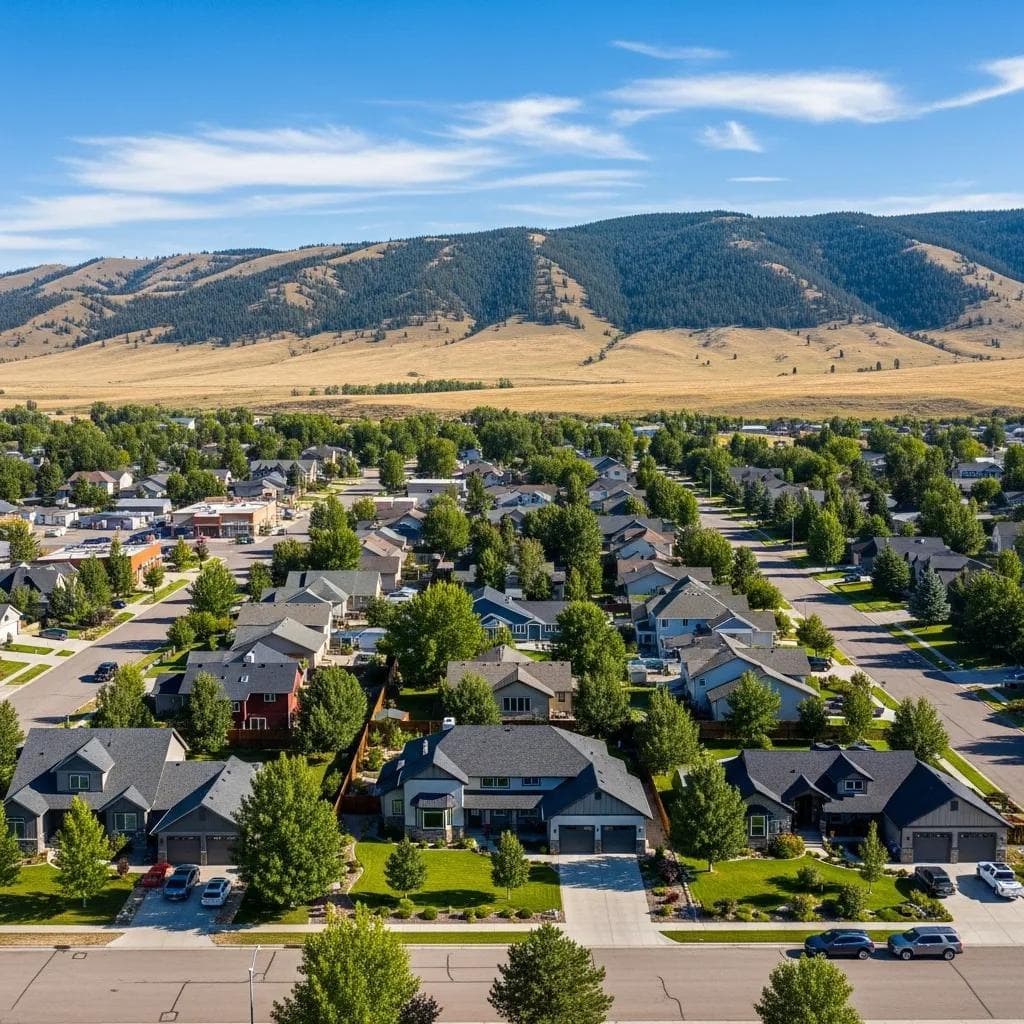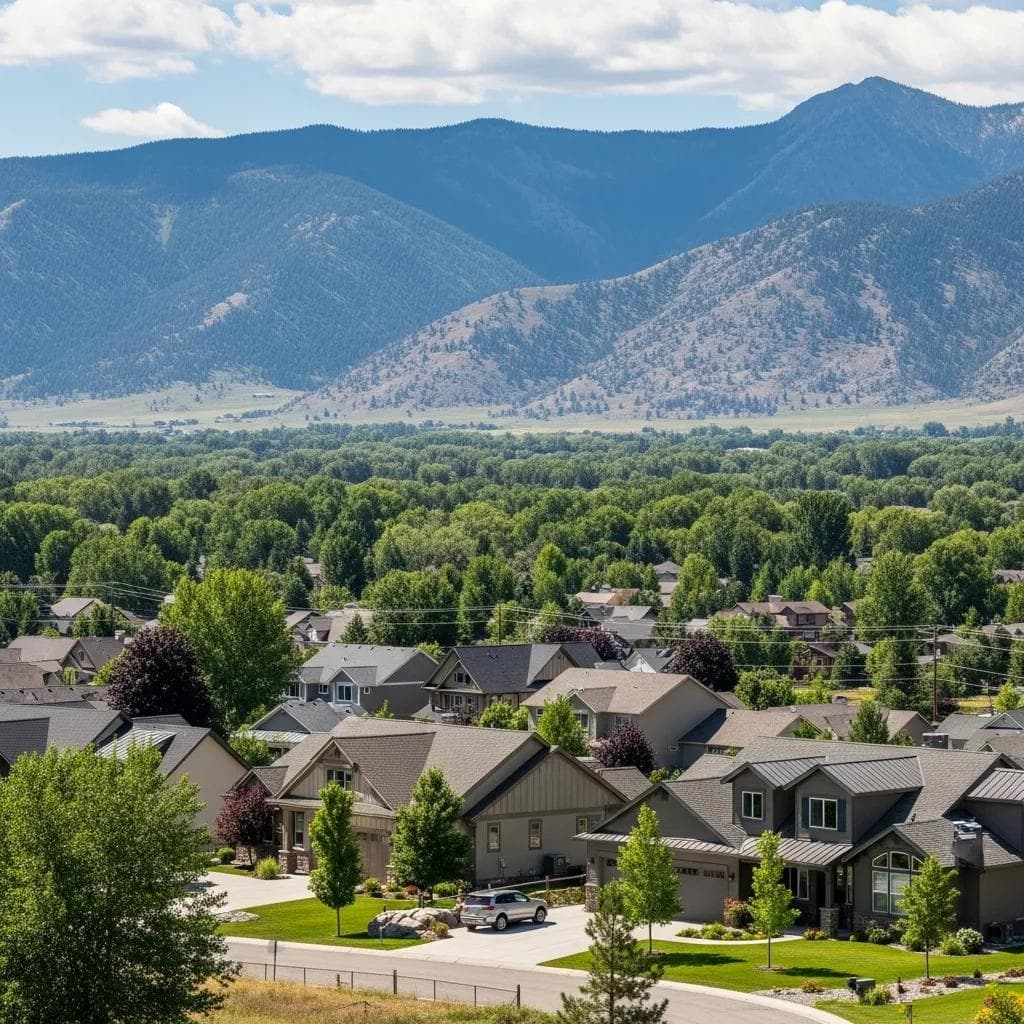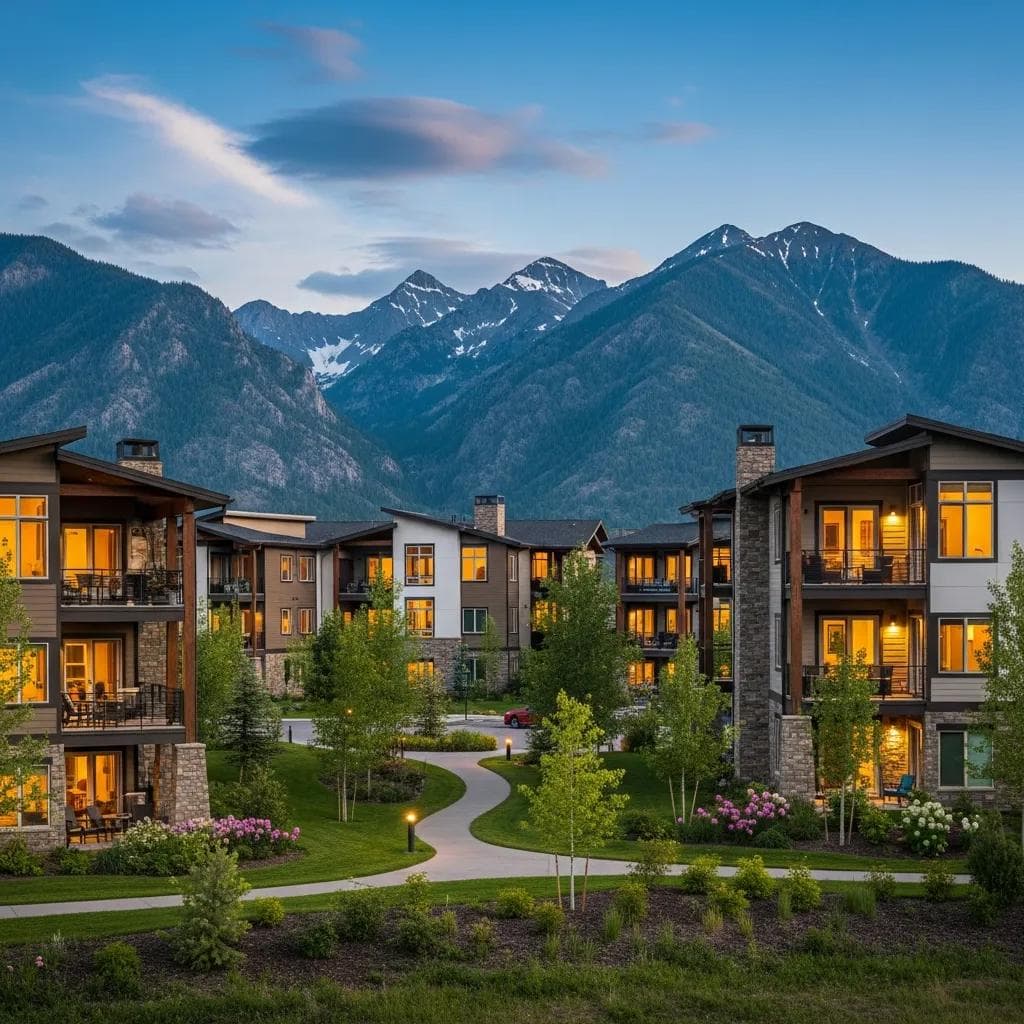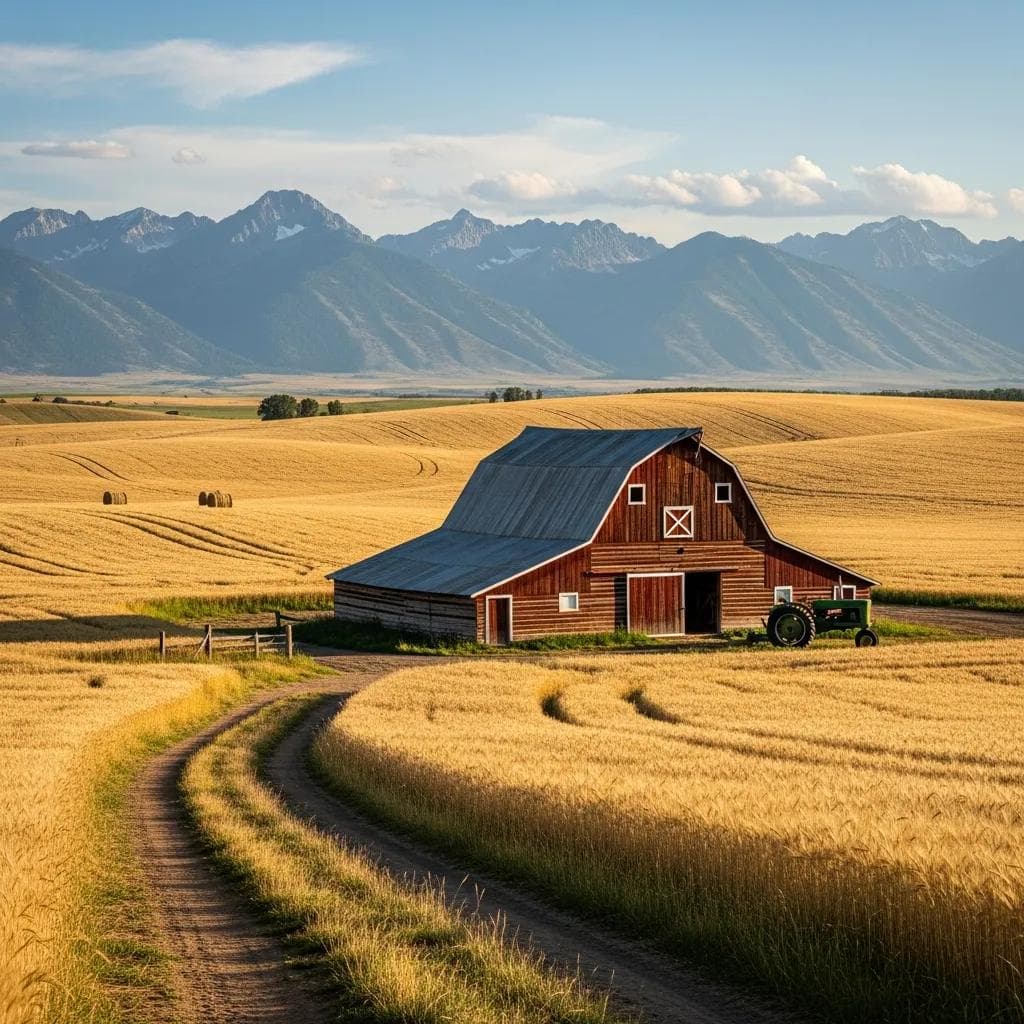
Montana Farm Properties for Sale
Montana Farm Properties for Sale Montana Farm Properties for Sale: Comprehensive Guide to Buying, Selling, and Investing Montana is renowned for its breathtaking landscapes and agr
Montana Farm Properties for Sale
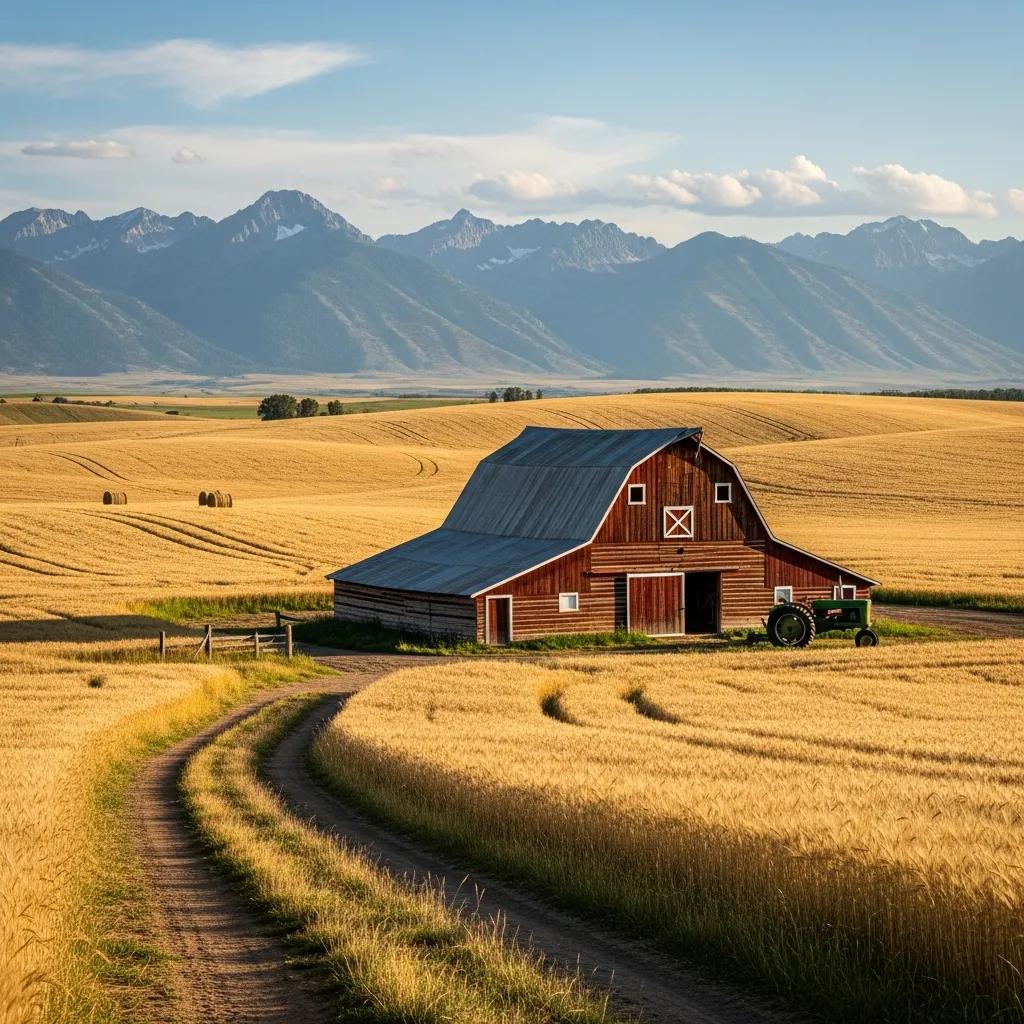
Montana Farm Properties for Sale: Comprehensive Guide to Buying, Selling, and Investing
Montana is renowned for its breathtaking landscapes and agricultural richness, making it a prime location for those interested in farm properties. This comprehensive guide will explore the various types of Montana farm properties available, the buying process, financing options, and the best areas for investment. Whether you are looking to buy a ranch, agricultural land, or a luxury farm, understanding the nuances of the market is essential. Many potential buyers face challenges in navigating the complexities of rural property transactions, zoning laws, and financing options. This article aims to provide clarity and actionable insights into these topics, ensuring you are well-equipped to make informed decisions. We will delve into the types of properties available, the step-by-step buying process, financing options, and the best areas for agricultural investment in Montana.
What Types of Montana Farm Properties Are Available?
Montana offers a diverse range of farm properties, each with unique characteristics and potential uses. Understanding these types can help buyers identify the best fit for their needs.
Exploring Montana Ranches, Agricultural Land, and Luxury Farms
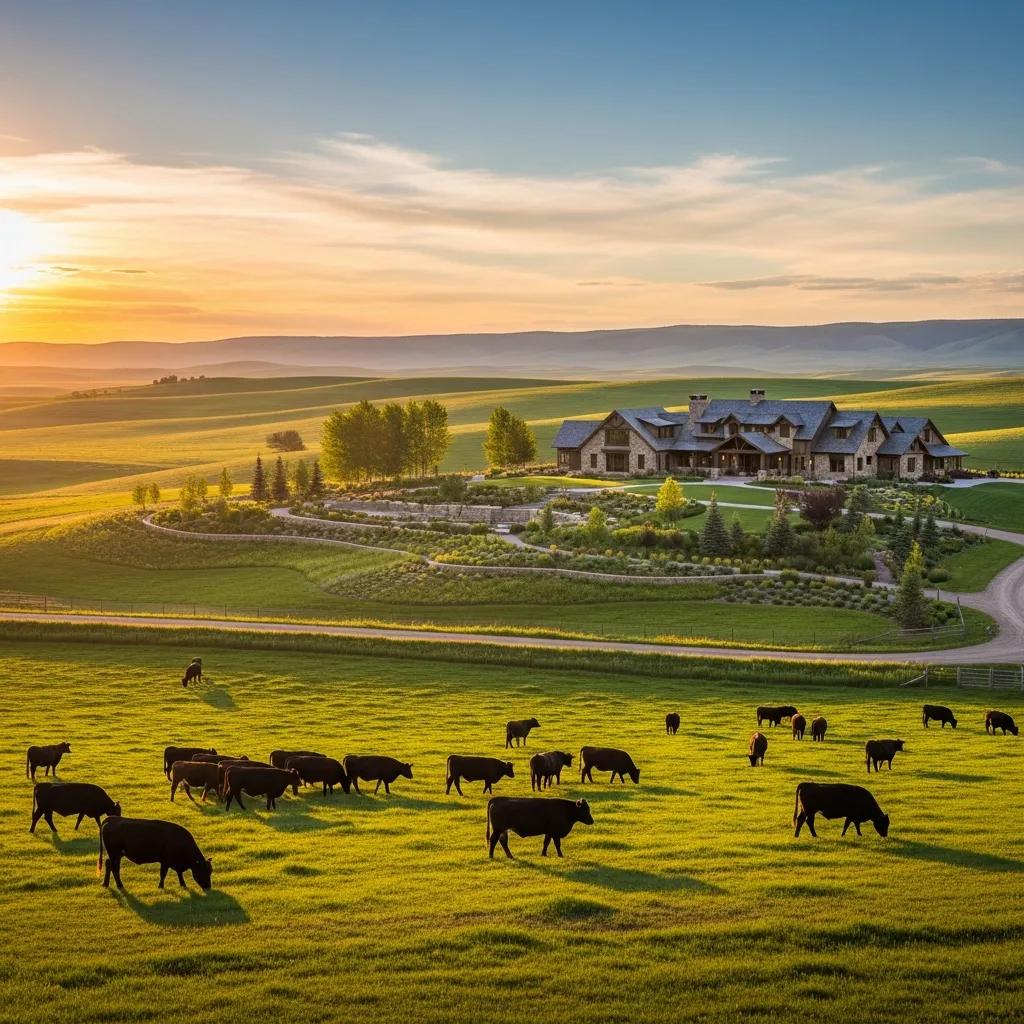
Montana ranches are often expansive, providing ample space for livestock and recreational activities. These properties typically feature vast open spaces, water sources, and grazing land, making them ideal for cattle and horse farming. Agricultural land, on the other hand, is primarily used for crop production and may include irrigation systems to support farming activities. Luxury farms in Montana combine high-end amenities with agricultural functionality, offering features such as custom homes, equestrian facilities, and sustainable farming practices. Each type of property caters to different lifestyles and investment goals, making it crucial for buyers to assess their priorities.
Key Features: Acreage, Location, and Land Use
When considering Montana farm properties, key features such as acreage, location, and land use play a significant role in determining value and usability. Acreage is essential for those looking to engage in farming or ranching, as it directly impacts the scale of operations. Location is equally important; properties near urban centers like Bozeman or Billings may offer better access to markets, while more remote locations provide privacy and tranquility. Additionally, understanding land use regulations is vital, as they dictate what activities can be conducted on the property, influencing both investment potential and operational capabilities.
How to Buy Farm Land in Montana: Step-by-Step Process
Purchasing farm land in Montana involves several critical steps that ensure a smooth transaction and successful investment.
Understanding Montana Rural Property Transactions
The process of buying rural property in Montana begins with identifying suitable listings and conducting thorough research. Buyers should engage with real estate agents who specialize in agricultural properties to gain insights into the market. Once a property is identified, potential buyers must conduct due diligence, including property inspections and title searches, to ensure there are no legal issues. Financing options should also be explored at this stage, as securing funding is crucial for a successful purchase.
Navigating Zoning Laws and Regulations for Montana Farms
Zoning laws in Montana can significantly impact the use of farm properties. Buyers must familiarize themselves with local zoning regulations, which dictate how land can be used, including restrictions on livestock, crop production, and building structures. Understanding these laws is essential to avoid future complications and ensure that the property can be utilized as intended. Consulting with local authorities or a real estate attorney can provide clarity on these regulations.
Further research highlights the specific legal frameworks governing land use and development in the state.
Montana Land Use & Zoning Regulations
Montana’s land use laws contain provisions for two general types of zoning regulations that local governments may adopt: countywide zoning and planning and zoning districts. These regulations allow local governments to guide development, protect natural resources, and ensure compatible land uses. Land use controls in Montana: An analysis of factors affecting policy adoption of countywide zoning, 2006
For those looking to navigate the complexities of buying farm land, engaging with experienced real estate professionals can provide invaluable support. Their expertise can help streamline the process and ensure compliance with all legal requirements.
Understanding the nuances of rural development, such as subdivision planning, is crucial for successful investment.
Rural Subdivision Planning in Montana Counties
The unincorporated areas of the county, in towns such as Seeley Lake, Florence, Huson, and Frenchtown, consider land use planning issues in the context of impacts to water quality and wildlife, distance from services, and preservation of open space and agricultural land. When subdivisions of property are proposed in these areas, the proposals are evaluated by a set of criteria seeking to address these contexts Rural Subdivision Planning in Missoula County, Montana: a Planner’s Perspective, 2009
What Financing Options Exist for Montana Farm Properties?

Financing is a crucial aspect of purchasing farm properties, and understanding the available options can help buyers make informed decisions.
Loans, Grants, and Investment Opportunities for Buyers
Various financing options are available for purchasing Montana farm properties, including traditional loans, government grants, and private investment opportunities. Conventional loans are often used for purchasing agricultural land, with terms that vary based on the lender and the buyer’s financial profile. Additionally, government programs such as those offered by the USDA may provide grants or low-interest loans to support agricultural development, making it easier for new farmers to enter the market. Buyers should explore all available options to find the best fit for their financial situation.
Montana Farm Property Taxes and Financial Considerations
Understanding property taxes is essential for prospective buyers, as these can significantly impact the overall cost of ownership. Montana’s property tax rates vary by county and are based on the assessed value of the property. Buyers should factor in these costs when budgeting for their purchase. Additionally, financial planning is crucial; potential buyers should consider ongoing expenses such as maintenance, utilities, and insurance, which can affect the overall profitability of their investment.
| Financing Option | Description | Benefits |
|---|---|---|
| Conventional Loans | Traditional bank loans for property purchase | Flexible terms, competitive interest rates |
| Government Grants | Financial assistance for agricultural development | Low-interest rates, support for new farmers |
| Private Investments | Funding from private investors or partnerships | Potential for higher capital, shared risk |
This table outlines various financing options available to buyers, highlighting their benefits and suitability for different financial situations.
Where Are the Best Areas to Buy Agricultural Land in Montana?
Identifying the best areas for agricultural investment in Montana is crucial for maximizing returns and ensuring successful farming operations.
Top Montana Counties and Towns for Farm Investments
Several counties in Montana are known for their agricultural potential, including Gallatin, Flathead, and Yellowstone counties. These areas offer fertile land, access to water resources, and proximity to markets, making them ideal for farming and ranching. Towns such as Bozeman and Billings provide additional amenities and infrastructure that can support agricultural operations, enhancing the overall investment appeal.
Market Trends and Price Ranges for Montana Rural Properties
The Montana real estate market has seen fluctuations in property prices, influenced by factors such as demand, location, and land use. As of recent data, prices for agricultural land typically range from around $1,000 to $2,500 per acre, depending on the region and specific property features. Variations occur based on soil quality, water access, and proximity to urban centers. Understanding these market trends is essential for buyers to make informed decisions and negotiate effectively.
Research further emphasizes that recreational value significantly influences agricultural land prices in Montana.
Montana Agricultural Land Prices & Recreational Value
agricultural land sales within Montana. The analysis presented in this thesis suggests that types, quantities, and quality of recreational amenities are important for Montana agricultural land prices. Montana agricultural land prices: An evaluation of recreational amenities and production characteristics, 2010
Why Invest in Montana Luxury Farms and Ranches?
Investing in luxury farms and ranches in Montana offers unique benefits that extend beyond traditional agricultural investments.
Benefits of Sustainable Farming and Luxury Rural Living
Luxury farms in Montana often incorporate sustainable farming practices, which enhance environmental impact and appeal to a growing market of eco-conscious consumers. These properties typically feature high-end amenities, such as custom homes and recreational facilities, providing a lifestyle that combines luxury with agricultural pursuits. Investing in such properties can yield significant returns, both financially and in terms of quality of life.
Case Studies of Successful Montana Farm Property Transactions
Several successful transactions in Montana highlight the potential for profitable investments in farm properties. For instance, a recent sale of a luxury ranch in Gallatin County demonstrated a significant appreciation in value due to its prime location and high-quality amenities. These case studies illustrate the importance of strategic investment and the potential for substantial returns in the Montana farm property market.
What Are Common Questions About Montana Farm Properties?
As potential buyers explore the Montana farm property market, several common questions often arise.
Answers to Frequently Asked Questions on Buying and Selling
- What is the average price of agricultural land in Montana?The average price ranges from around $1,000 to $2,500 per acre, depending on location and features.
- How do I find a reliable real estate agent?Look for agents with experience in agricultural properties and positive client reviews.
- What should I consider when buying farm land?Key factors include zoning laws, property taxes, and access to water resources.
How to Use Montana Farm Listings and Real Estate Agent Services
Utilizing online listings and real estate agent services can streamline the property search process. Buyers should focus on listings that provide detailed information about property features, zoning regulations, and market trends. Engaging with knowledgeable agents can also provide insights into the local market and help identify properties that meet specific needs.
By understanding the intricacies of the Montana farm property market, potential buyers can make informed decisions that align with their investment goals and lifestyle aspirations.
Please contact Ashley at 406-880-5985 for all your Montana Real Estate needs.
Get in Touch
Ready to talk about your Montana move?
Ashley Inglis and the MT Lux team are ready when you are. Reach out for a private consultation about buying, selling, or just exploring the market.
More Reading