Seeley-Swan Valley Real Estate
By Ashley Inglis — Broker | Owner, MT Lux Real Estate | REALM Global Member | CLHMS, ABRAbout 40 miles northeast of Missoula, Highway 83 leaves the open Blackfoot country at Clearw
By Ashley Inglis — Broker | Owner, MT Lux Real Estate | REALM Global Member | CLHMS, ABR
About 40 miles northeast of Missoula, Highway 83 leaves the open Blackfoot country at Clearwater Junction and climbs into a narrow forested corridor pinned between the Mission Mountains and the Swan Range. This is the Seeley-Swan Valley, and at its heart sits Seeley Lake — one of a chain of glacial lakes that strings north toward the Bob Marshall Wilderness. For buyers who want water, trees, and trailheads more than restaurants and traffic, it is one of the most distinctive markets in Western Montana. It also asks more of an owner than a turnkey suburb does, and I would rather a buyer understand that going in.
This guide walks through what is actually for sale here, what it costs as of 2026, and the practical realities — roads, winters, wells, and septic — that separate a good fit from a regret.
Where Seeley Lake Sits and Why It Draws Buyers
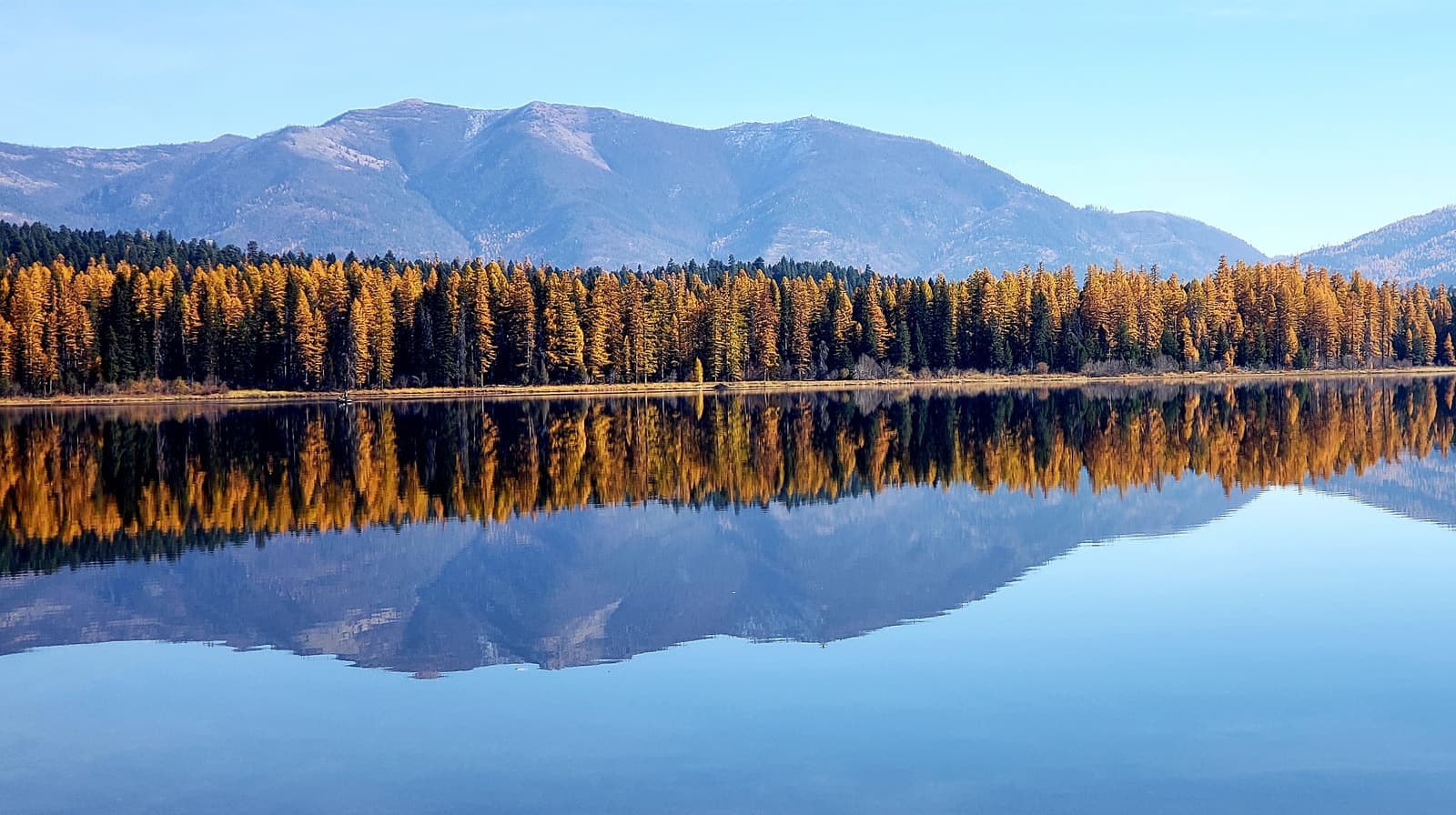
Seeley Lake is the southern anchor of the Clearwater chain of lakes, often described as the last natural chain of lakes in northwestern Montana. The town and its surrounding subdivisions sit along Highway 83, with the Mission Mountains rising to the west and the Swan Range to the east. To the north and east, the Bob Marshall Wilderness Complex joins adjacent wilderness areas to form more than 1.5 million acres of protected forest reachable only on foot or horseback.
The draw here is recreation, and it runs year-round. Summers bring boating, paddling, and fishing across the chain — the Clearwater Canoe Trail is a gentle four-mile float that puts in a few miles north of town. Hiking and horse trails lead straight into the wilderness. Winters are serious snow country: the Seeley Lake area maintains a large network of groomed snowmobile trails — over 230 miles by local count — along with cross-country skiing and ice fishing. That depth of recreation is the engine behind most purchases here. People do not generally buy in Seeley Lake for the commute. They buy for what is out the back door.
The Three Kinds of Property You'll Find
Most of what trades in the Seeley-Swan Valley falls into three buckets, and they behave differently.
Lakefront and water-access cabins. These are the headline properties — older cabins and newer homes directly on Seeley Lake or the smaller lakes in the chain, plus properties with deeded or shared water access. Frontage on the chain is finite, so these command the strongest prices and the most competition. Many are seasonal cabins that were never built for deep winter, which matters if a buyer intends to live there full-time.
Year-round homes in town and the subdivisions. Seeley Lake proper and platted communities like Double Arrow Ranch — a private mountain community built around a historic 1929 lodge with golf and dining — offer more conventional single-family homes on smaller lots. These suit buyers who want a true residence rather than a retreat, with closer access to the school, services, and plowed roads.
Acreage and bare land. The valley has a healthy supply of larger parcels, some bordering National Forest, ranging from a few acres up to 20-plus. As of 2026, land listings around Seeley Lake have averaged in the low-$40,000s per acre across active inventory, though per-acre figures swing widely with access, timber, water, and whether the parcel touches public land. Buyers weighing raw land should read my guide to buying land in Montana before writing an offer — the diligence list is long.
What It Costs as of 2026
Seeley Lake is a small, thin market, so a single high or low sale moves the averages noticeably. Treat the numbers below as ranges, not precise quotes.
As of spring 2026, the median list price for homes in Seeley Lake sat around $650,000, while the broader 59868 zip code reported a median sale price closer to $800,000 — a gap that reflects how much the mix of lakefront versus inland inventory skews the figures month to month. Active listings across the Seeley-Swan corridor have ranged from roughly $369,000 for modest manufactured homes on a few acres up to nearly $4 million for larger estate and acreage properties, with the average list price for available inventory landing in the high-$700,000s.
Homes have been taking time to sell. Median days on market ran near 79 days in spring 2026, longer than a hot metro but normal for a recreation market where buyers are selective and many purchases are discretionary second homes. For a seller, that means patience and accurate pricing matter more than they would in Missoula. For a buyer, it means there is usually room to do diligence without losing the property in a weekend.
If a buyer is comparing Seeley Lake against a base in town, my Missoula community guide lays out the tradeoff between valley seclusion and city access.
Access, Roads, and Winter Realities
This is where honesty earns its keep. Highway 83 is the single paved spine of the valley, and it is plowed and maintained through winter — Seeley Lake is not cut off in January. But the homes themselves often sit off that spine on subdivision roads, forest roads, or private easements that are a different story. Some are gravel, some are seasonally maintained, and some are the owner's responsibility to plow. A cabin that is a pleasant drive in July can require four-wheel drive, chains, or a plow contract from November through April.
Winters here are real Montana winters with significant snowfall, which is exactly why the snowmobile economy exists. Buyers should ask, in writing, who maintains the access road, what it costs, and whether the road is public or private. A seasonal cabin with no winter-rated heat, frozen-vulnerable plumbing, or an unplowed approach is fine as a summer retreat and a problem as a year-round home. I walk buyers through these questions on every showing rather than after closing.
Wells, Septic, and Water Rights
Most properties in the Seeley-Swan Valley are on private wells and on-site septic systems rather than municipal utilities. That carries real diligence obligations.
Septic deserves particular attention here. Seeley Lake's groundwater has documented elevated nitrate levels, tied to dense development served almost entirely by individual septic systems sitting over a sensitive aquifer. There has been ongoing local work toward a community sewer solution, but as of 2026 most homes still rely on their own systems. A buyer should insist on a septic inspection, confirm the system's age, capacity, and permit history, and understand any future hookup or assessment obligations a community system could bring.
On the water side, a private well should be flow-tested and water-quality tested as part of any purchase. Montana water rights are their own subject — surface water rights, irrigation claims, and well exemptions all have rules — and a buyer planning to irrigate, run livestock, or develop should verify what rights, if any, actually convey with the land. I coordinate these inspections and point buyers to the right specialists; I do not gloss over them to keep a deal alive.
Who This Market Is Really For
Seeley Lake rewards a specific buyer. The strongest fit is the recreation-driven second-home owner — someone who wants a lake cabin, a snowmobile base, or a wilderness-access retreat and accepts the tradeoffs that come with remoteness. It also works for the year-round resident who genuinely wants quiet, dark skies, and trees over convenience, and who has done the math on winter driving, heating, and the distance to Missoula for groceries, healthcare, and the airport.
It is a harder fit for a buyer who wants amenities at the doorstep, a short commute, or a low-maintenance turnkey lifestyle. The valley's appeal and its demands are the same thing: it is undeveloped on purpose. For some Western Montana buyers that seclusion is the entire point; for others, a closer-in lake or a town like Bigfork serves better. Buyers drawn to land and self-reliance may also want to look at my overview of Montana luxury ranch properties, which shares much of the same diligence DNA.
Working With Me
I represent buyers and sellers across Western Montana's recreation and luxury markets, and I treat the Seeley-Swan Valley with the candor it requires. That means flagging the unplowed road, ordering the septic inspection, and telling a buyer when a seasonal cabin is not built for the winter they have in mind — before the offer, not after. As a RealTrends Verified 2025 honoree (ranked #53 in Montana by volume and #30 by sides), REALM Global member, Certified Luxury Home Marketing Specialist (CLHMS), and Accredited Buyer's Representative (ABR), I bring the diligence and marketing reach these properties deserve. I am a Montana Top Producer with more than 100 transactions over my career and over $18 million in 2024 sales volume.
To talk through Seeley Lake or anywhere in the Seeley-Swan corridor, reach me at my Stevensville office, 102B Main St, Stevensville, MT 59870, by phone at (406) 880-5985, or by email at ashleyinglis@ainglisrealty.com. You can also start the conversation through the contact page. Montana license RRE-BRO-119277.
Ashley Inglis is a Western Montana Broker, RealTrends Verified 2025 honoree, REALM member, Certified Luxury Home Marketing Specialist (CLHMS), and Accredited Buyer's Representative (ABR), serving buyers and sellers across Missoula, Whitefish, Bigfork, Hamilton and surrounding Montana luxury markets.
Frequently Asked Questions
How far is Seeley Lake from Missoula?
Seeley Lake is about 40 miles northeast of Missoula. Highway 83 meets Highway 200 at Clearwater Junction roughly 40 miles east of Missoula, then runs north to the lake. Plan on a drive of around an hour to Missoula for the airport, major shopping, and most healthcare, longer in winter weather.
What do homes cost in Seeley Lake as of 2026?
As of spring 2026, the median list price in Seeley Lake was around $650,000, with the broader 59868 zip code reporting a median sale price closer to $800,000. Active inventory across the corridor has ranged from roughly $369,000 for modest homes on acreage to nearly $4 million for larger estate properties. Because the market is small, these figures shift month to month — I can pull current comps for a specific property type.
Is Seeley Lake accessible in winter?
Yes. Highway 83, the valley's paved spine, is plowed and maintained year-round, and the area is a major winter recreation destination with a large groomed snowmobile trail network. The bigger question is the individual property's access road, which may be gravel, seasonally maintained, or the owner's responsibility to plow. Always confirm road maintenance before buying.
Do Seeley Lake properties have wells and septic systems?
Most do. The majority of homes rely on private wells and individual on-site septic systems rather than municipal utilities. Seeley Lake has documented groundwater nitrate concerns tied to dense septic use over a sensitive aquifer, and community sewer solutions have been under discussion. A septic inspection and a well flow-and-quality test should be part of any purchase.
Can I buy land or acreage near Seeley Lake?
Yes. The valley has a steady supply of bare land and larger parcels, some bordering National Forest, from a few acres up to 20-plus. As of 2026, per-acre pricing across active inventory has averaged in the low-$40,000s, varying widely with access, timber, water, and public-land frontage. Review the diligence steps before making an offer on raw land.
Is Seeley Lake better as a second home or a full-time residence?
Both work, but they ask different things. Many properties are seasonal cabins suited to a recreation-driven second-home owner. Living there full-time is realistic for buyers who want quiet over convenience and have planned for winter driving, heating, and the distance to Missoula. I help buyers match the property to how they actually intend to use it.
What is there to do around Seeley Lake?
The area is built for outdoor recreation year-round. Summers offer boating, paddling, and fishing on the Clearwater chain of lakes, plus hiking and horseback access into the Bob Marshall Wilderness Complex. Winters bring snowmobiling on an extensive groomed trail network, cross-country skiing, and ice fishing. That recreation depth is the main reason most buyers choose the valley.
Get in Touch
Ready to talk about your Montana move?
Ashley Inglis and the MT Lux team are ready when you are. Reach out for a private consultation about buying, selling, or just exploring the market.
More Reading