Bitterroot Valley Guide
Bitterroot Valley vs Flathead Valley
Two of Western Montana's most legitimate luxury markets — side by side on pricing, lifestyle, recreation, and which one fits which buyer.
Recognized Excellence




Most serious Western Montana relocation buyers eventually compare the Bitterroot Valley to the Flathead Valley. Both are real luxury markets. Both have mountains, water, and recreation. Both are within a couple of hours of Missoula. They look similar on a glance, but they are fundamentally different markets with different buyer profiles, different pricing logic, and different daily-life experiences.
Ashley Inglis works both corridors every week from her Stevensville office in the Bitterroot. RealTrends Verified 2025, REALM, CLHMS, ABR. Her active practice includes Missoula, the Bitterroot, and the full Flathead — Whitefish, Bigfork, Kalispell, Columbia Falls, Lakeside, and Polson. This guide is the framework she uses when buyers ask which one fits.
Geography
The Two Corridors at a Glance
Start with what they actually are. The geography drives most of the downstream differences.
Bitterroot Valley
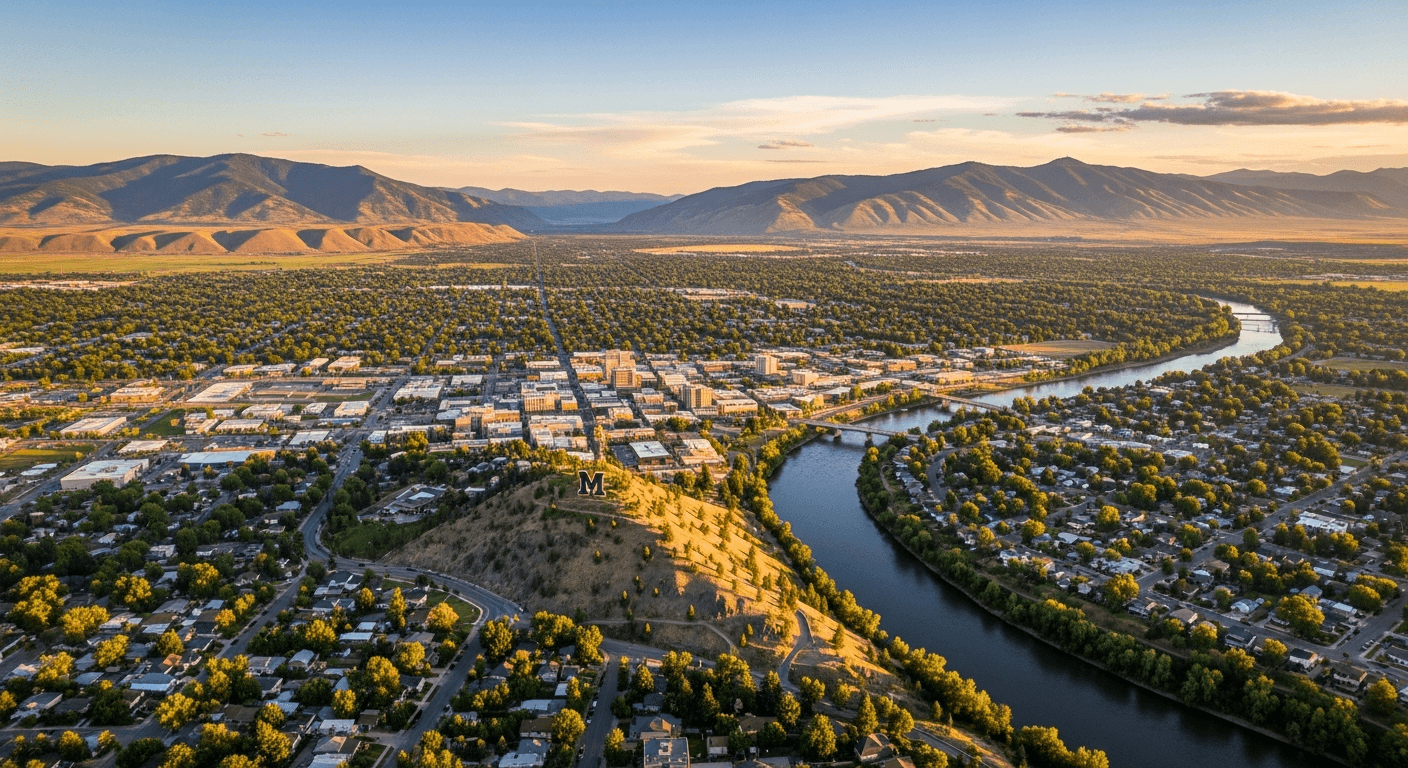
60-mile corridor south of Missoula along US-93. Six towns — Florence, Stevensville, Victor, Corvallis, Hamilton, Darby — separated by 10–15 minutes of driving. Framed by the Bitterroot Mountains west and the Sapphire Mountains east. Bitterroot River runs the length. No lake of significance. Population skews working-class agriculture plus a layer of relocation luxury. See the Bitterroot real estate hub.
Flathead Valley
Roughly 2.5 hours northwest of Missoula. Anchored by Flathead Lake — the largest natural freshwater lake west of the Mississippi — plus Whitefish Mountain Resort, Glacier National Park, and a constellation of towns (Whitefish, Kalispell, Columbia Falls, Bigfork, Lakeside, Polson). Population skews tourism-driven, with a deep luxury second-home market and growing year-round residence.
The Market
Pricing and Inventory — Side by Side
The market math is meaningfully different between the two corridors, and the difference grows at the luxury tier.
- Entry-tier residential: Roughly comparable in some Flathead markets (Kalispell, Columbia Falls) but meaningfully higher in Whitefish and Bigfork. The Bitterroot offers more entry-tier in-town inventory at lower price.
- Mid-tier residential: Bitterroot mid-tier ($500K–$900K) is roughly comparable to Kalispell mid-tier. Whitefish and Bigfork mid-tier runs 20–50% higher for comparable square footage.
- Luxury tier ($1M–$3M): Bitterroot luxury runs meaningfully below Whitefish and Bigfork luxury at comparable square footage. The Flathead luxury market is deeper but more expensive.
- Trophy tier ($5M+): Both markets have trophy-tier inventory. Flathead Lake frontage, Whitefish ski-in/ski-out, and large Flathead ranches dominate the Flathead trophy pool. Bitterroot trophy is more concentrated in working ranches, premium Bitterroot River frontage, and the Stock Farm Club area west of Hamilton.
- Inventory depth: The Flathead has more total inventory in any given month, particularly at the luxury and trophy tiers. The Bitterroot is thinner, which keeps prices firm but means well-priced listings move quickly.
Lifestyle
What Daily Life Is Like in Each
The lifestyle difference is where the comparison gets real. Both are beautiful; they are not interchangeable.
Bitterroot daily life
Quieter, more agricultural, more locals-and-relocation than tourist-driven. Main Streets that function. Working ranches as backdrop. Fly-fishing as a Tuesday activity. Limited nightlife. Limited high-end retail. Strong sense of community for residents who engage. Better fit for buyers prioritizing privacy, recreation, and Main-Street small-town life.
Flathead daily life
More tourism-driven, particularly in Whitefish and Bigfork. Real downtown nightlife in Whitefish. Year-round resort feel during ski season and lake season. Higher density of restaurants, galleries, and high-end retail. Strong second-home community. Better fit for buyers who want a resort lifestyle with year-round amenities.
Recreation
Recreation Profiles — Different Menus
Both corridors are recreation-rich. The menu is different.
- Bitterroot strengths: Bitterroot River fly-fishing (one of the most consistent blue-ribbon trout fisheries in the lower 48), Bitterroot National Forest trail system, Lake Como, Painted Rocks Reservoir, Lost Trail Powder Mountain (small but legitimate), Trapper Peak. Quieter trails, fewer crowds. See the Bitterroot recreation guide.
- Flathead strengths: Flathead Lake (boating, swimming, sailing on a 28-mile-long lake), Whitefish Mountain Resort (3,000+ acres, top-tier resort skiing), Glacier National Park access (one of the most iconic national parks in the country), Bigfork Bay arts scene, Polson and the southern Flathead.
- Bitterroot trade-offs: No major lake, no major ski resort (Lost Trail is family-scale), no national park access in the immediate corridor.
- Flathead trade-offs: Heavier tourist crowds in summer, more traffic, higher prices for restaurants and services, less working-agriculture character.
- Fishing: Bitterroot River trout fishing is arguably better than Flathead River trout fishing on a year-round basis. The Flathead has Flathead Lake fishing, which is a different (lake-trout-dominated) experience.
Choosing
Which Market Fits Which Buyer
After working both corridors weekly, the patterns are pretty stable.
- Choose the Bitterroot if: You want quieter, more rural, lower price-per-square-foot at the luxury tier, working-agriculture character, Bitterroot River fishing as a centerpiece, or proximity to Missoula for work or flying. Many buyers also choose the Bitterroot because they prefer not to be in a tourist-economy town.
- Choose the Flathead if: You want lake access as the centerpiece, ski-in/ski-out or resort-town living, Glacier National Park proximity, more restaurant and nightlife depth, or a larger pool of luxury second-home inventory.
- Own in both: A meaningful share of high-end Western Montana buyers eventually do. Primary residence in one, vacation home in the other. Ashley has handled both halves of this profile multiple times.
- Decide based on actual use, not aspiration: Buyers who pick based on "what they think they want" rather than "what their family actually does on weekends" tend to make worse decisions in both corridors.
Common Questions
Frequently Asked Questions
- Is the Bitterroot Valley cheaper than the Flathead Valley?
- At the mid-tier and luxury tier, yes — meaningfully. Comparable-size homes in Whitefish or Bigfork typically run 30–60% more than equivalents in Hamilton or Stevensville. Entry-tier residential is closer to comparable when Kalispell or Columbia Falls is the Flathead reference point.
- Which has better fishing — the Bitterroot or the Flathead?
- For dry-fly trout fishing, the Bitterroot River is one of the most consistent blue-ribbon fisheries in the country, with arguably a stronger year-round trout calendar than the Flathead River. For lake fishing, Flathead Lake offers something the Bitterroot does not — major lake-trout fishing. Different menus, both legitimate.
- Which has better skiing?
- Whitefish Mountain Resort is one of the top ski resorts in Montana, with 3,000+ acres of skiable terrain. Lost Trail Powder Mountain in the Bitterroot is family-scale, shorter lines, and meaningfully smaller. For destination skiing, the Flathead wins. For local-day-ski convenience, both work for residents of their respective corridors.
- Where does Glacier National Park fit into the comparison?
- Glacier is roughly 30–45 minutes from Whitefish, Kalispell, or Columbia Falls — a meaningful Flathead lifestyle anchor. From the Bitterroot, Glacier is roughly a 4–5 hour drive. If Glacier access matters to your routine, the Flathead is the obvious pick.
- Which market has more year-round residents vs second-home owners?
- The Bitterroot skews more year-round resident with a layer of second-home and relocation buyers. The Flathead — particularly Whitefish, Bigfork, and the Flathead Lake frontage — has a meaningfully higher share of second-home and seasonal residence. Both have growing year-round populations.
- Can Ashley work me through both markets if I am undecided?
- Yes — that is a meaningful share of her practice. She covers both corridors weekly, has active listings in both, and gives honest comparative framing rather than pushing one market. Many of her clients tour both before deciding; some end up buying in both.
About the Author
Meet Your Western Montana Broker, Ashley Inglis
Ashley Inglis is a Western Montana Broker, RealTrends Verified 2025 honoree, REALM member, Certified Luxury Home Marketing Specialist (CLHMS), and Accredited Buyer’s Representative (ABR), serving buyers and sellers across Missoula, Whitefish, Bigfork, Hamilton and surrounding Montana luxury markets.
Next Steps
Schedule a Consultation with Ashley
Every consultation is private and tailored to your specific situation. Whether you’re evaluating Western Montana for the first time, considering a move within the region, or preparing to list, Ashley reviews each engagement personally before taking it on.