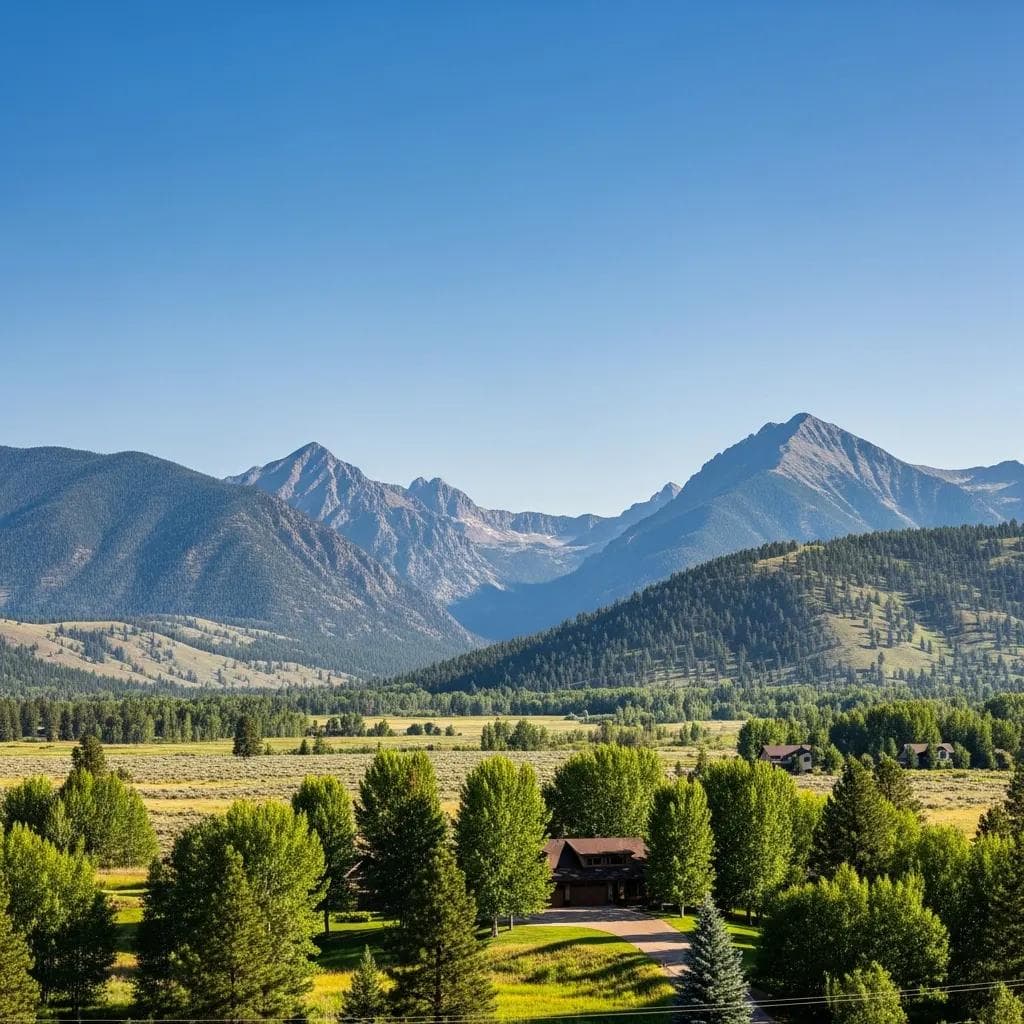
Western Montana Climate
Western Montana Winters: What to Expect
Snow, cold, valley inversions and the Bitterroot Banana Belt — how winter actually differs between Missoula, Whitefish and the Bitterroot, and what it costs to own a home through it.
Recognized Excellence




Western Montana winters are long but milder than Montana's reputation suggests — the Continental Divide shields this side of the state from the extreme cold that hits the eastern plains. The differences that matter are local: Whitefish gets deep, reliable mountain snow; Missoula gets moderate valley snow plus gray winter inversions; and the Bitterroot Valley is the mildest of the three, which is why locals call its southern end the Banana Belt.
If you are relocating from a warmer state, winter is the variable most likely to surprise you and the one least visible on a summer scouting trip. This page covers what each market is actually like, what winter costs a homeowner, and what to check on a property before you buy. Written by Ashley Inglis, a Montana Broker working the Missoula, Bitterroot and Flathead markets year round.
By Market
How Winter Differs Across the Three Markets
These towns sit within a couple of hours of each other and have noticeably different winters. Elevation, latitude and valley shape do most of the work.
Whitefish and the Flathead — the real winter
The snowiest and longest of the three. Winter conditions typically run from November into April, and Whitefish Mountain Resort ranks among the snowier resorts in the northern Rockies. Snow removal is a normal household expense, roof load matters when evaluating a property, and winter tires are genuinely necessary. This is the market where winter is the product rather than the price of admission.
Missoula — moderate snow, gray inversions
Missoula sits lower and gets less snow than the Flathead. The defining winter feature is the inversion: cold air settles on the valley floor and holds there, producing multi-day stretches of gray, still, cold weather between December and February. People who need winter sunlight find this harder than the snow itself.
Bitterroot Valley — the mildest option
Sheltered between the Bitterroot and Sapphire ranges, the valley generally sees less snow than Missoula and noticeably less than the Flathead. The southern end around Hamilton and Darby is locally known as the Banana Belt for its comparatively mild winters. It remains a real Montana winter, just a gentler one.
Elevation changes everything
Two properties fifteen minutes apart can have very different winters if one sits several hundred feet higher or on a north-facing slope. Ask specifically about the driveway grade, its orientation, and who plows the access road — not just the town the property is in.
The Costs
What Winter Costs a Western Montana Homeowner
Winter shows up in the household budget in ways that newcomers consistently underestimate. None of it is prohibitive, but all of it should be in the plan before closing.
- Heating. Natural gas serves most in-town areas. Outlying acreage often runs on propane, which is delivered and priced by the tank, or on electric heat. Wood and pellet stoves are common as supplemental heat and genuinely reduce bills.
- Snow removal. In town this is a shovel and a few hours. On acreage with a long driveway it means either a plow truck, a tractor attachment, or a seasonal contract with a local operator.
- Vehicles. Dedicated winter tires, and for most rural households all-wheel or four-wheel drive. Two vehicles is the norm outside the walkable core neighborhoods.
- Roof and gutters. Snow load is a design consideration here. On an older home, ask about the roof structure and history of ice damming before you are under contract.
- Pipes and vacancy. Second homes left empty through winter need a plan — heat kept on, water shut off and lines drained, and somebody checking the property. This is a standard conversation for out-of-state buyers.
- Power outages. Rural lines go down in heavy weather. Generators are common on acreage and worth budgeting for.
Buying
What to Check on a Property Before You Buy
A house toured in July tells you very little about how it handles February. These are the questions worth asking while you can still walk away.
- Who plows the access? County road, private road association, or the owner. On a shared private road, ask to see the maintenance agreement in writing.
- What is the driveway like? Grade, length, orientation and surface. A steep north-facing driveway is a different property in January than it looks in summer.
- How is it heated, and what did it cost? Ask for twelve months of actual utility bills rather than an estimate.
- Is there a wood stove, and is it certified? Insurers increasingly ask, and an uncertified stove can complicate coverage.
- What is the insulation and window situation? Older Montana homes vary enormously. This drives both comfort and the heating bill.
- Does the well have a history of freezing? Wellhead protection matters on rural property, and previous owners usually know the answer.
- What happens in spring runoff? Ask about drainage, low spots and any history of water in the basement or crawlspace.
The Other Season
Summer, Smoke and the Rest of the Year
Winter is the season buyers ask about, but it is not the only one that shapes life here, and an honest answer covers both.
- Summers are the reason people stay. Warm, dry and long-lit, with rivers and trails at their best. Most residents consider June through September the payoff for the rest.
- Wildfire smoke is the real seasonal variable. Late summer can bring smoke from regional fires, and the severity varies substantially year to year. Ask about recent seasons and check any property for defensible space.
- Spring is mud season. Runoff, soft ground and unsettled weather. It is the quietest time to shop and often the best time to see a property honestly.
- Autumn is widely considered the best season. Cool, clear, uncrowded and beautiful. If you can schedule a scouting trip, September and October show the region at its most persuasive — which is worth knowing when you judge your own reaction to it.
Common Questions
Frequently Asked Questions
- How bad are winters in Western Montana?
- Long but more moderate than the state’s reputation. The Continental Divide shields Western Montana from the extreme cold that hits the eastern plains. Expect winter conditions from roughly November into March or April, with real snow, cold snaps and short December daylight — but not the severity most people associate with Montana.
- How much snow does Missoula get?
- Missoula gets regular winter snow, but noticeably less than the Flathead Valley or Montana’s mountain resort towns, because the valley floor sits at a relatively low elevation. The more distinctive feature of a Missoula winter is the inversion — cold, gray, still air that settles in the valley for days at a time.
- Where is the Banana Belt of Montana?
- The southern Bitterroot Valley, around Hamilton and Darby. Sheltered between the Bitterroot and Sapphire mountain ranges, it typically sees milder winters and less snow than Missoula or the Flathead, which is how it earned the local nickname. It is still a Montana winter, just a gentler version.
- Which part of Western Montana has the best winter weather?
- The Bitterroot Valley is generally the mildest, particularly its southern end. Missoula sits in the middle, with moderate snow but persistent winter inversions. Whitefish and the Flathead get the most snow and the longest winter — which is exactly what skiers and winter-sports buyers are looking for.
- Do I need four-wheel drive to live in Western Montana?
- In town, not strictly — good winter tires matter more than drivetrain. On acreage, a long driveway, a steep grade or a private access road, most households run all-wheel or four-wheel drive and do not regret it. Ask who maintains the access road before assuming what your vehicle needs to handle.
- Is wildfire smoke a problem in Western Montana?
- It can be, in late summer, and the severity varies substantially from year to year depending on regional fire activity. It is the seasonal trade-off that rarely comes up during a winter or spring showing. Ask about recent seasons in the specific valley you are considering, and evaluate any rural property for defensible space.
About the Author
Meet Your Western Montana Broker, Ashley Inglis
Ashley Inglis is a Western Montana Broker, RealTrends Verified 2025 honoree, REALM member, Certified Luxury Home Marketing Specialist (CLHMS), and Accredited Buyer’s Representative (ABR), serving buyers and sellers across Missoula, Whitefish, Bigfork, Hamilton and surrounding Montana luxury markets.
Next Steps
Schedule a Consultation with Ashley
Every consultation is private and tailored to your specific situation. Whether you’re evaluating Western Montana for the first time, considering a move within the region, or preparing to list, Ashley reviews each engagement personally before taking it on.